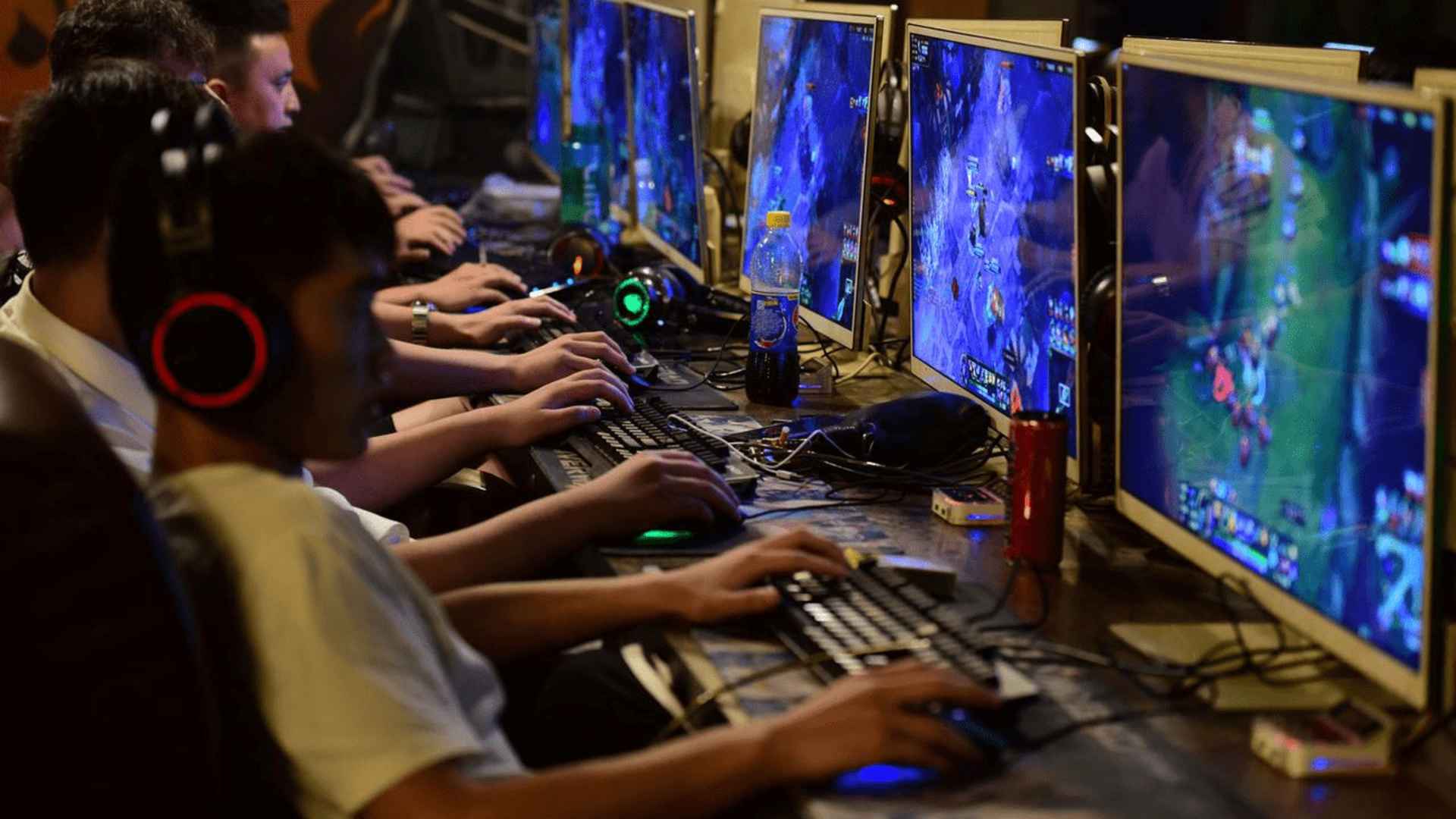
The landscape of competitive gaming has evolved from neon-lit physical halls into a sophisticated digital ecosystem where skill and strategy reign supreme. Modern arcade titles offer a unique blend of immediate accessibility and high-stakes rivalry that appeals to both casual players and professional enthusiasts alike.
The Foundations of Arcade Competition
Early arcade culture was built on the foundation of high-score leaderboards and local dominance. These systems created a natural drive for players to refine their reflexes and master complex patterns to see their initials at the top of the screen.
Today, this competitive spirit has transitioned online, allowing players from across the globe to challenge each other in real-time environments. The core appeal remains rooted in the pursuit of perfection and the satisfaction of overcoming increasingly difficult mechanical hurdles.
Modern platforms have successfully preserved this legacy by integrating global ranking systems that provide instant feedback on a player's performance relative to the community. This continuous cycle of improvement and recognition ensures that the competitive flame continues to burn brightly in the digital age.
Skill Based Mechanics and Strategic Depth
Competitive arcade games are characterized by their deep mechanics that reward precise timing and strategic decision-making. Unlike games based purely on luck, these titles require a significant investment of time to master the nuances of movement and interaction.
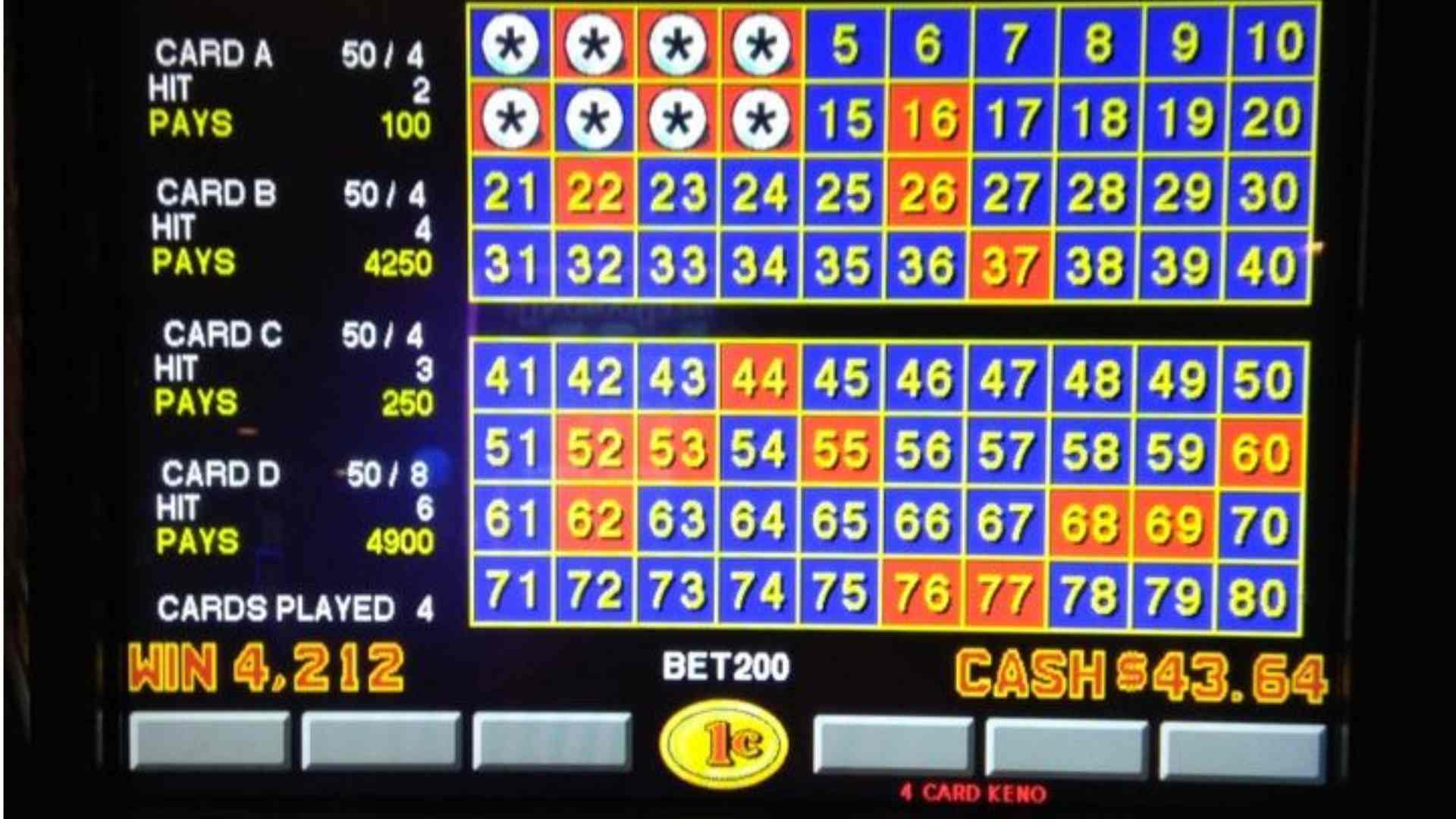
Players often find that engaging with a high-quality M88 slot or similar interactive challenges can help sharpen their focus and mental agility. These experiences provide a controlled environment where rapid-fire scenarios test a person's cognitive speed and immediate responses.
The complexity found in modern arcade levels ensures that no two sessions are ever exactly the same, forcing competitors to adapt to dynamic obstacles. This variety is essential for maintaining long-term engagement and driving the growth of dedicated gaming communities.
The Social Impact of Global Leaderboards
One of the most significant shifts in arcade gaming is the move from solitary play to a highly connected social experience. Online communities now form around specific titles, sharing strategies, replays, and tips to help each other climb the rankings.
This collaborative environment fosters a sense of belonging and mutual respect among competitors who share a passion for high-speed action. Digital tournaments and seasonal events further enhance this connection by providing structured opportunities for glory and rewards.
By transforming personal achievements into public milestones, these platforms create a powerful motivation loop that keeps players returning for more. The ability to see where you stand among the best in the world adds a layer of prestige that traditional gaming often lacks.
Future Trends in Competitive Arcade Gaming
As technology continues to advance, the line between traditional arcade mechanics and immersive simulations is becoming increasingly blurred. New developments in cloud gaming and artificial intelligence are allowing for even more responsive and personalized competitive environments.
Future arcade experiences will likely focus on even greater social integration, featuring seamless voice communication and collaborative team-based modes. These innovations will ensure that the spirit of competition remains a driving force in the gaming industry for years to come.
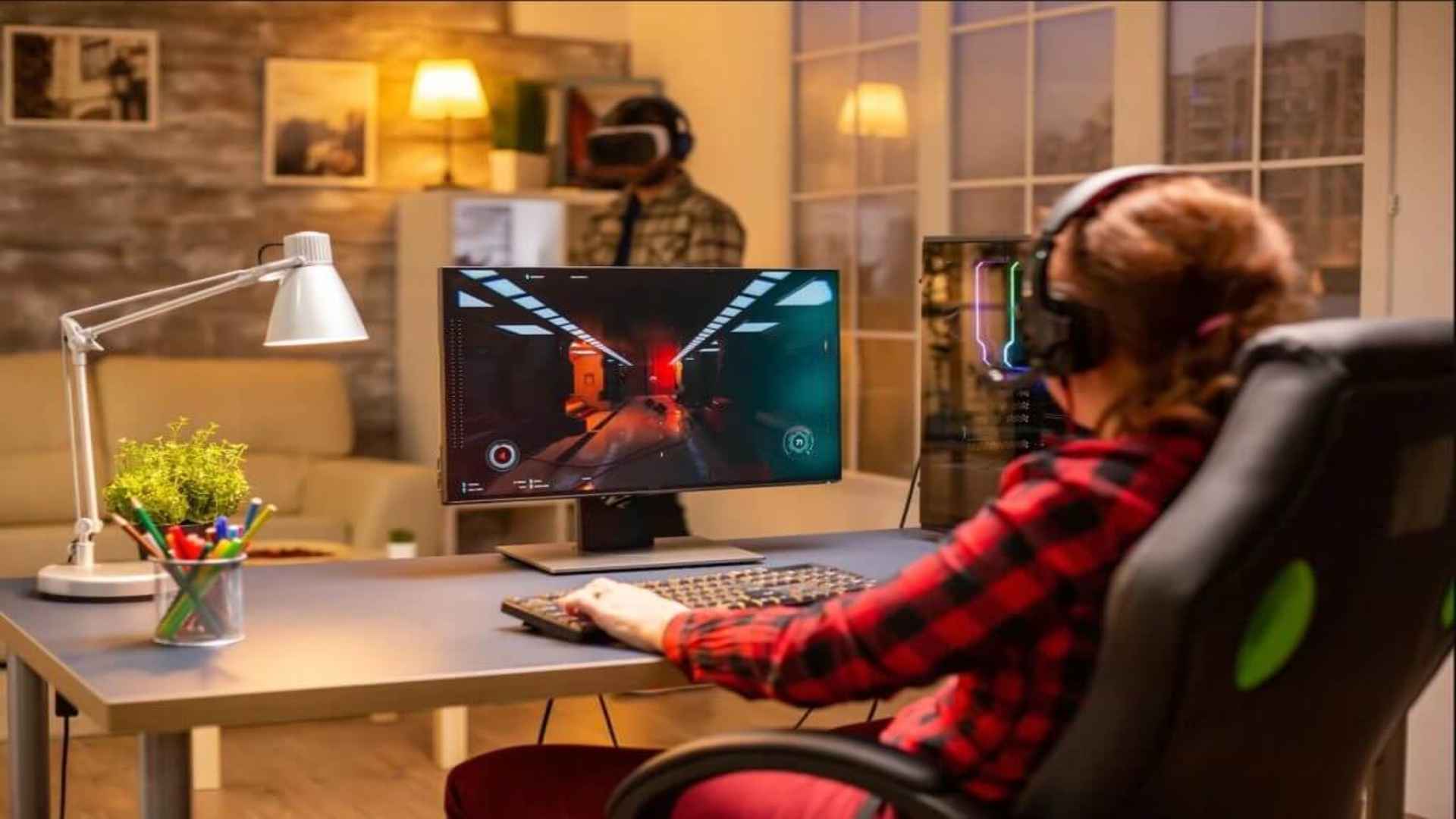
The accessibility of these high-performance titles ensures that a whole new generation of players can experience the thrill of the arcade from any device. This democratic approach to gaming is the key to maintaining a vibrant and diverse competitive landscape.