Tabletop gaming has transformed from a casual parlor activity into a thriving arena for intense mental sports. For players who crave intellectual confrontation, nothing beats the thrill of outsmarting an opponent face-to-face across a physical board. The best competitive tabletop experiences require a mix of strategic foresight, psychological endurance, and tactical flexibility.
The Deep Strategy of Chess
Chess remains the definitive benchmark for competitive table gaming, boasting a history that spans over a millennium. It is a game of perfect information, meaning luck plays absolutely no part in determining the eventual winner. Players must constantly calculate multiple branches of potential moves while managing their clock and psychological composure.
Mastering this classic game demands intense dedication, positional understanding, and a willingness to study complex opening theories. Elite competitors spend years analyzing endgames and pawn structures to find tiny positional advantages. This commitment to intellectual mastery makes Chess one of the most rewarding challenges in the gaming world.
The Multi Layered Complexity of Shogi
Often referred to as Japanese chess, Shogi introduces unique mechanics that elevate its competitive complexity to extraordinary heights. The defining feature of this game is that captured pieces can be dropped back onto the board as part of your own army. This drop rule ensures that the board remains highly dynamic, virtually eliminating passive draws.
Competitors must adapt to sudden shifts in momentum as threats can materialize from almost any angle of the board. The endgame of Shogi is notoriously explosive, requiring precise calculation and fearless tactical execution. For players looking to test their tactical versatility, it offers an incredibly deep and satisfying battleground.
The High Stakes Psychology of Poker
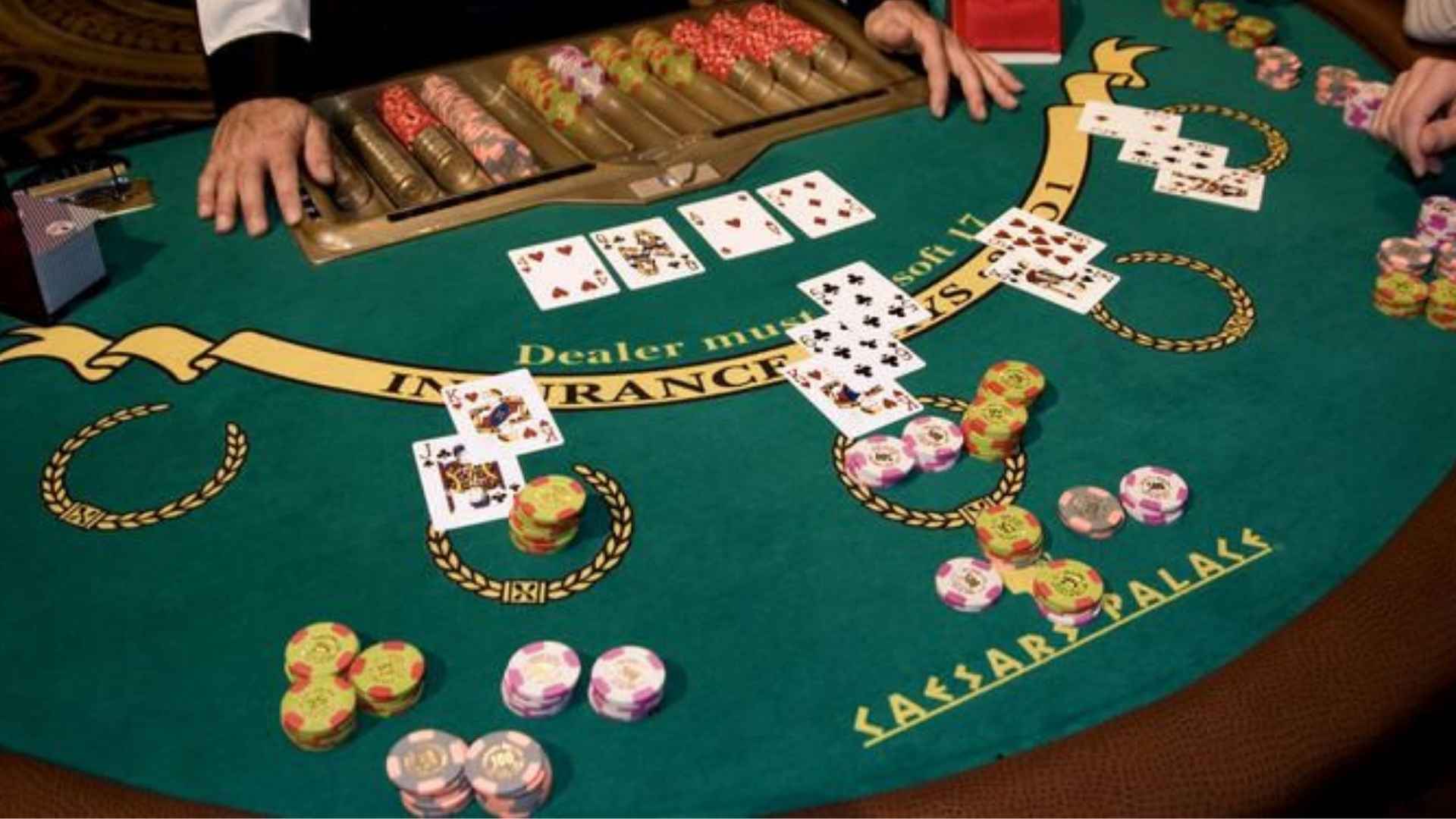
While classic board games rely entirely on open information, competitive poker introduces the intricate element of incomplete data. Players must balance mathematical probabilities, pot odds, and risk management against the unpredictable nature of human psychology. Success in this arena is determined by your ability to read opponents and control your own emotional tells.
Developing a consistent winning strategy involves mastering the fine art of bluffing and knowing exactly when to fold a losing hand. Competitors seeking to refine their strategic approach often look for a reliable m88 alternatif to practice their decision-making skills in a structured setting. Ultimately, poker rewards disciplined players who can make objective, logical decisions under immense psychological pressure.
The Modern Era of Tactical Board Games
Beyond traditional classics, the modern tabletop industry has produced highly competitive strategy games designed for tournament play. Titles like Carcassonne, Catan, and various deck-building games challenge players with resource management and spatial planning. These games combine elegant rules with high replayability, making them staples of competitive clubs worldwide.
To consistently win in modern strategy games, players must optimize their efficiency and quickly identify their opponents' primary win conditions. The constant tension between long-term planning and adapting to immediate threats keeps matches engaging from start to finish. This balance of modern design and deep strategy makes modern tabletop games a perfect fit for ambitious players.